投稿

A Day in My Minimalist Life in Japan
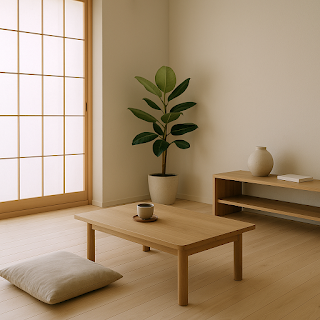
イメージ
  Introduction What does a day look like when your life is free from clutter? Since embracing minimalism, my routine in Japan has become simpler, slower, and more intentional. I no longer rush through my mornings or overfill my schedule. Here’s a glimpse into my typical day as a minimalist living in Japan. Morning: A Slow, Grounded Start I wake up around 6:30 AM without an alarm. No phone scrolling. No blaring news. Just natural light, silence, and a cup of warm water. Instead of rushing, I spend the first 30 minutes doing light stretching or sitting in stillness. This simple routine sets the tone for a calm and focused day. I eat a small breakfast—usually rice and miso soup or toast and tea. Because I keep my kitchen uncluttered, meal prep is fast and stress-free. Late Morning: Meaningful Work Time Between 8 AM and noon, I focus on my main tasks—writing, studying, or freelance work. I use a clean, distraction-free desk. No piles of paper, no cluttered shelves. I k...

The Mental Benefits of Minimalism: What I Gained by Owning Less

イメージ
Introduction When people think about minimalism, they often picture clean white rooms, organized shelves, and fewer possessions. But for me, the real transformation happened inside. I didn’t become a minimalist just to declutter—I did it to find clarity, focus, and peace of mind. Owning less has helped me think more clearly, stress less, and live more intentionally. Here’s how minimalism improved my mental health and changed the way I experience life. 1. Less Clutter = Less Mental Noise Before minimalism, I didn’t realize how much my environment affected my mind. Drawers full of things I never used. Clothes I didn’t wear. Random cords and kitchen tools I forgot I had. Each item was like a little decision or memory that drained my energy. Once I began letting go, I felt a surprising lightness. My room looked better—but more importantly, my mind felt quieter. 2. More Focus and Mental Clarity Owning fewer things means making fewer decisions. I no longer waste time choosing o...

My Minimalist Kitchen in Japan: 5 Tools I Use Every Day

イメージ
Introduction I live in Japan with very few belongings, and my kitchen is no exception. While some people have dozens of gadgets and drawers full of unused utensils, I cook all my meals using just five essential tools . This minimalist approach saves time, space, and decision-making energy. Whether you live in a small apartment, travel often, or just want to simplify your kitchen, here’s how I make it work with less. Why I Keep My Kitchen Minimal Japanese kitchens—especially in studio apartments—are compact. Mine has one small sink, two electric burners, and no oven. But that limitation has become a benefit. By choosing versatile tools and planning ahead, I’ve created a cooking space that feels peaceful, functional, and clutter-free. The 5 Tools I Use Every Day 1. Non-Stick Frying Pan I use this for everything from scrambled eggs and stir-fry to pancakes and reheated rice. A single, medium-sized non-stick pan with a lid can handle almost any meal. Bonus tip: Choose one wi...

Why I Don’t Own a Bed in Japan

イメージ
  Introduction When I tell people I don’t own a bed, they often look confused—or even a little concerned. But since moving to Japan and embracing minimalism, sleeping without a bed has become one of the most freeing decisions I’ve made. Instead of a bulky frame and mattress, I sleep on a simple Japanese futon that I roll out each night. It saves space, reduces clutter, and has unexpectedly improved my sleep quality. Let me explain why I gave up the bed—and why I don’t plan on going back. Beds Take Up Too Much Space Japanese apartments are small. My living space is just under 10 square meters. Owning a traditional Western bed would dominate the entire room. By switching to a futon, I reclaim that space during the day. I can work, stretch, or sit on the floor with no bulky furniture in the way. The flexibility of a bed that disappears every morning is something I never imagined loving so much. What I Sleep On Instead Here’s my minimalist sleep setup: Futon mattress (f...

Minimalist Grocery Shopping in Japan: How I Eat for Under $30 a Week

  Introduction Can you really eat well in Japan on less than $30 a week? Yes—and I’ve been doing it for months. As a minimalist living in Japan, my goal is to keep both my belongings and spending simple. Food is one of the easiest places to start. With a little planning and intention, you can eat healthy, satisfying meals on a small budget—and enjoy it. Here’s exactly how I do it every week, including my shopping list, favorite stores, and how minimalism shapes my meals. My Weekly Food Budget: Why $30? I chose a 4,500 yen (roughly $30 USD) limit to match my minimalist lifestyle and reduce waste. It also encourages creativity, healthier eating, and less impulse buying. It’s not about “starving” or strict dieting—it’s about intentional, low-cost nourishment . Where I Shop in Japan Here are my go-to stores for budget-friendly groceries: 🛒 Gyomu Super (業務スーパー): Great for bulk tofu, frozen veggies, and rice 🏪 Seiyu or Aeon : For basic fruits, miso, and eggs 🥬 Lo...

Minimalist Life in Japan: How I Live with Only 20 Items

イメージ
  Introduction Living in Japan with only 20 personal items may sound extreme. But for me, it's freedom. Minimalism isn’t about owning nothing—it's about choosing what matters most. Since moving to Japan, I've discovered that fewer things mean more clarity, less stress, and a deeper appreciation for the present moment. In this post, I’ll share the exact 20 items I own, why I chose each one, and how living with so little has completely changed my daily life. Why I Chose Minimalism in Japan Japan is a country that celebrates simplicity—think Zen temples, tatami rooms, and uncluttered design. When I arrived, I was inspired by this cultural mindset. At the same time, Japanese apartments are famously small. My first room was just 10 square meters. I realized I didn’t need more space—I needed fewer things. My 20 Essential Items Here’s everything I own (excluding consumables like food or shampoo): 🧳 Clothing (8 items) One pair of jeans One pair of black pants Tw...